MCI Responses on the Rise- Part Two
PART TWO
By: Rick McCann
Blue RAM Media/Gulf Regional News
July 28, 2026
BALDWIN COUNTY, Ala. Emergencies can and do happen anytime, anyplace and sometimes, one right after the other.
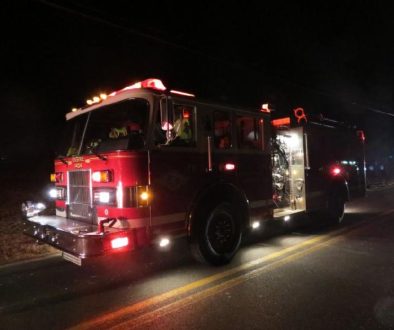
Just ask the Summerdale Fire Department which operates mainly as a volunteer department with a growing (AOR) area of response including frequently responding outside of the city as part of multiple mutual-aid compacts that allow neighboring fire and police agencies to respond outside of their city limits to other parts of the county to assist in fires, medical emergencies, traffic collisions and disasters.
Almost on a daily basis, Summerdale firefighters find themselves going in many different directions and responding to multiple calls during a 24-hour period.
The fire department is physically positioned in a unique fast growing pocket of growth between themselves, Foley, the Foley Beach Corridor and other nearby growing communities.
Nationally, mid-size cities can range from 100,000 to 500,000 in population and may add in the MSA, (Metropolitan Statistical Area) which includes a specific region, to boast the area’s population and are built using whole counties as building blocks linked by social and economic ties.
Baldwin County with an estimated population of 270,000 residents and approximately 6-7 million visitors each year, is rapidly becoming a metropolitan area.
For years, statistically we were called a micro-metro area but now, we’ve become the Daphne-Fairhope-Foley Metropolitan Statistical Area (MSA) in Alabama, recognized as one of the fastest-growing metro and micro-style areas in the United States. It functions as a single-county metro area adjacent to the Mobile MSA.
For first responders, that’s a heavy load to carry, literally.
For decades, volunteer fire departments, county sheriff departments and small-town police agencies have carried the weight and responsibility of providing all emergency services from fire and medical, to law enforcement and disaster response.
Obviously that is changing, but is it keeping up with the county’s growth, influx of businesses and the year round, never ending, visitors who have found the Alabama Gulf Coast to be much more than a place for spring breakers and snow birds.
Adding to the stream of steady visitors from January through December is the new Gulf Shores International Airport, the return of the Amtrak train service, constant glowing reports showing up in newspapers, magazines, and across social media, and everyplace else that you look
We’re getting noticed more than ever!
These communities have gone from agricultural and livestock farms to booming communities with people, traffic, crime and a growing number of emergencies, and things can and have become hectic for our frontline responders who not only respond to our county and state roads, but who also often find themselves out on our interstates facing large critical situations including mass casualty incidents.
Most of the time, our dedicated volunteers handle these emergencies like pros, but sometimes, understaffed, overwhelmed or without the necessary resources to handle the emergency, other mutual-aid departments must be called in to ban together to adequately get the emergency under control.
The same is true for our paid, career departments who regularly work within mutual-aid compacts.
In recent weeks, we have seen numerous emergencies require that a Mass Casualty Incident be declared.
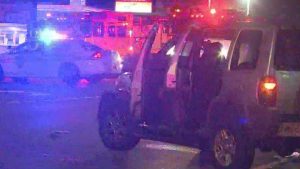
In the early morning hours of July 24th, 2026, a serious motor vehicle collision at Greeno Road and US 98 with numerous injuries had the Fairhope Volunteer Fire Department calling for additional manpower and resources from neighboring fire departments and announcing a possible MCI situation.
Among those who responded was the Barnwell Volunteer Fire Department, the county sheriff’s office, numerous ambulances, a medical helicopter and the Fairhope Police Department.
It was reported that seven people were injured in the crash.
Even when the incident doesn’t require that an MCI be established, the on-scene command may still call for additional manpower, equipment and resources from one or more departments which could deplete that other agency’s staffing or resources necessary to respond to an emergency within their own community.
What happens then?
In Part Three, we’ll conclude with the plans and processes in these situations and look at the needs of our communities for the rapid increase in emergency calls that they face.
Copyright 2026 Blue RAM Media. All rights reserved.
SUPPORT OUR “LOCAL” NEWS
https://bluerammedia.com/DONATE/