Alabama Supreme Court Says Officers May Demand Physical ID During Valid Stops
By Dale Hines
March 16, 2026
MONTGOMERY, Ala. The Alabama Supreme Court ruled Friday that police officers may demand physical identification from someone during a lawful investigative stop if the person gives an incomplete or unsatisfactory answer when asked to identify themselves.
People frequently give false names or identify themselves as someone other than who they are. Sometimes it’s because they have outstanding arrest warrants and other times, they just don’t want to identify themselves.
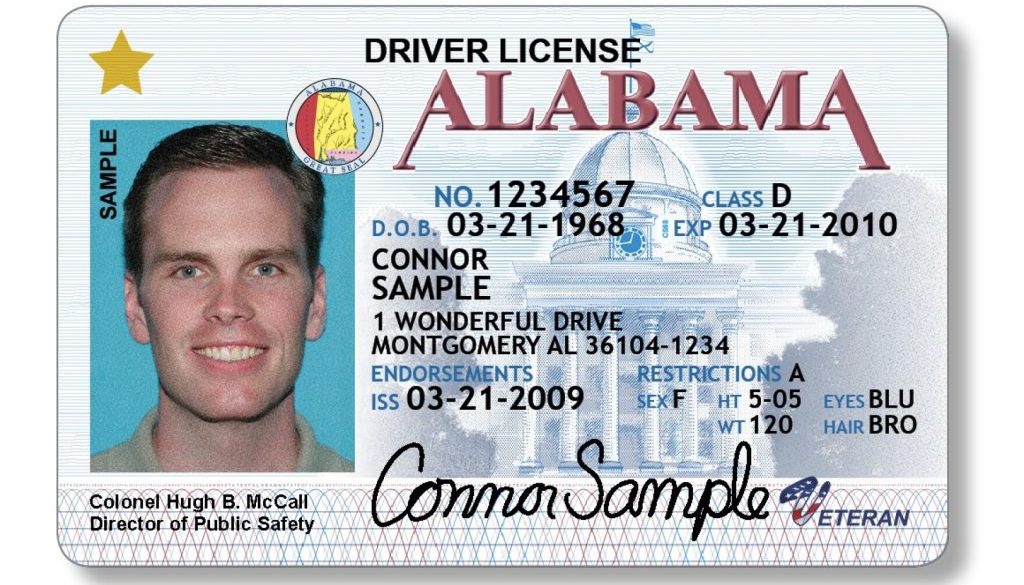
Now, in a decision answering a certified question from a federal court, the justices said Alabama’s “stop and identify” law allows officers to require a suspect to provide identifying information in a form that enables officers to confirm who they are.
State law already allowed police officers to clearly identify a person suspected of a crime.
The case arose after Childersburg police responded to a 911 call in 2022 reporting a “younger black male” and an unfamiliar vehicle at a home whose elderly owners were away. Officers encountered Michael Jerome Jennings watering flowers. He told officers he was a pastor who lived across the street and was watching the home, but he refused to provide identification when asked. He was arrested and charged with obstructing a governmental function.
The charge was later dismissed.
Jennings sued in federal court, alleging unlawful and retaliatory arrest. After conflicting interpretations of Alabama law by federal courts, a U.S. district judge asked the Alabama Supreme Court whether state law prohibits officers from demanding physical identification when a person provides an incomplete or unsatisfactory oral response.
The justices answered ‘No.’
Alabama Code allows officers who reasonably suspect someone is committing, has committed or is about to commit a crime to stop the person and demand their “name, address and an explanation of his actions.”
The high court held that although the statute does not explicitly mention physical identification, it does not bar officers from requesting or demanding it when necessary to verify the information they are legally entitled to obtain.
In its opinion, the court said that once a valid stop is made under the reasonable suspicion standard established in Terry v. Ohio, a suspect bears the burden of completely identifying themselves. Failing to provide sufficient identifying information when lawfully demanded violates Alabama law, the court said.
The majority emphasized that officers may demand identifying information “in a format that would allow the officer to affirmatively identify the suspect,” and that requesting physical identification can be a permissible way to do that.
Several justices wrote separately to clarify the scope of the ruling. They stressed that the statute does not permit random demands for identification and applies only during lawful investigative stops supported by reasonable suspicion.
A dissenting justice agreed with the statutory interpretation but argued the court should not have answered the question because a federal appeals court had already ruled on the issue in the underlying case.
This ruling strengthens police officers’ authority to firmly identify a person during investigative stops or when a person is suspected of committing a crime and the ability to require physical identification instead of taking someone’s word.
Before Friday’s decision, some federal court opinions had suggested Alabama law allowed officers to ask for a name and address but not to require production of physical identification. The state Supreme Court’s decision clarifies that, if a person’s oral response is incomplete or nonresponsive, officers may demand identification to confirm the required information.
The ruling does not create a general requirement that citizens must always carry physical identification.
Copyright 2026 Blue RAM Media. All rights reserved.