

The Face of Drug Addiction in Baldwin County Part 2

By Rick McCann
Blue RAM Media/Gulf Coast News
August 1, 2025
BALDWIN COUNTY, Ala. When people in the area think of drugs and those who illegally use them, many think of marijuana, a few pill poppers, and the occasional stronger drug users of cocaine or methamphetamine, commonly called crystal, meth, ice, glass, and various other slang words for the drug.
A common misconception is that many drug users in the area are out-of-towners, vacationers, spring-breakers, and the occasional resident who gets high every now and again.
But, this is not the reality in Baldwin County.
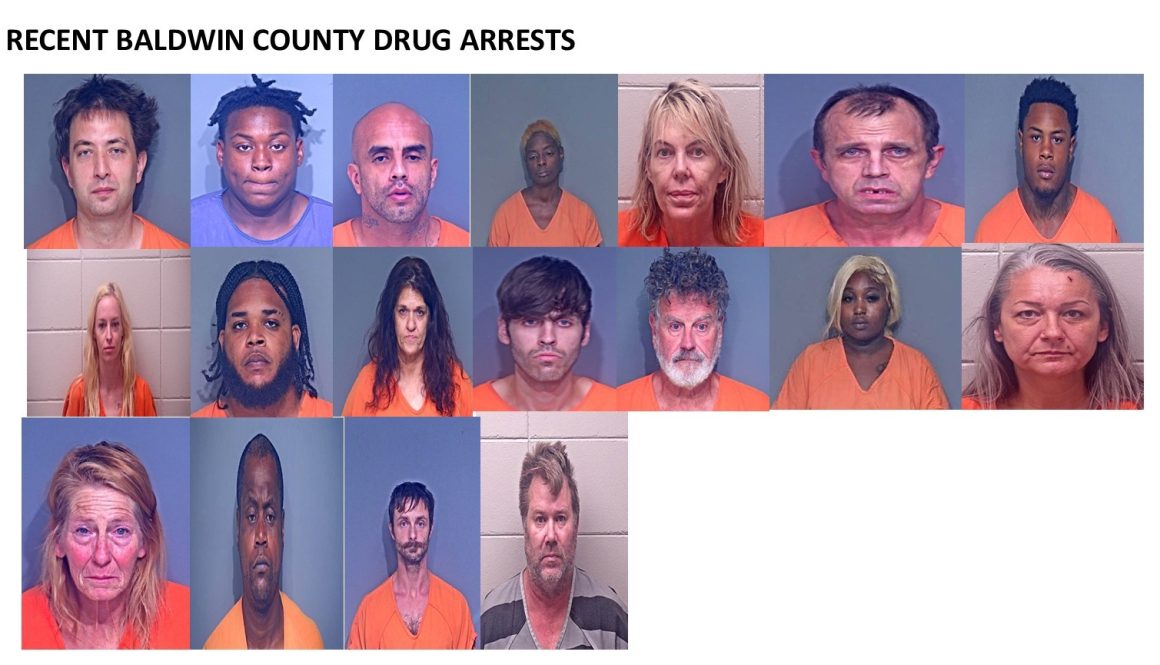
During July, there were almost one hundred drug arrests made in Baldwin County, and many of those faced numerous drug charges.
Of those arrested, the majority were area residents, not people in town for a good time. Many had prior arrests for drugs or other crimes.
Drug sales, use, and addiction are the unfortunate facts for communities big and small nationwide, and with a fast-growing community such as Baldwin County, and with many drugs flowing into the area via Interstate 10, Interstate 65, Alabama State Highway 59, and coming from Mobile and Pensacola, and let’s not forget, the waterways that surround the county, it’s easy to understand how drugs of every type can be so easily available to our community.
Another misconception of many is that drug dealers, users, and distributors are members of gangs, dirty, low-life, drug addicts, and people with criminal records a mile long who steal, rob, and do whatever they have to do to get their next fix, but that is also generally not the case.
Many involved in using or selling drugs are often your neighbors, coworkers, people that you socialize with, or maybe even your employer.
There have even been cases recently in other states where law enforcement and the clergy have been arrested for drug trafficking.
In our area, we have a cross-section of those who are working class, some habitual criminals, a few wannabe gangs, some hardcore drug addicts, and the in-betweeners who both use and sell drugs occasionally.
Race, age, occupation, and other demographics are not just one thing or the other, but as recent arrests suggest, users and traffickers are of all races, ages, and come from many backgrounds.
According to police reports and court records, many of those arrested in July were a result of a traffic stop or an interaction with law enforcement involving another situation that resulted in drugs, drug paraphernalia, or evidence of drug trafficking that got the person arrested and not the result of an extensive drug investigations, although I can assure, you, local law enforcement are investng time and resources to arresting drug abusers and drug traffickers.
Drugs can have profound social, economic, and health-related impacts on communities, leading to increased crime, strained public services, and deteriorating family dynamics.
The social impact on drug abuse in a community is both visually measured and physically felt.
- Increased Crime: Drug addiction often leads to higher crime rates, including theft, drug trafficking, and violence. Individuals may engage in criminal activities to support their addiction, which poses safety risks to the community and places a burden on law enforcement and the criminal justice system.
- Family Dynamics: Families affected by drug addiction experience emotional and psychological strain. Children in these households are at a higher risk of neglect and abuse, which can perpetuate cycles of addiction and dysfunction. The presence of addiction can lead to family breakdowns and increased conflict.
- Public Health Concerns: The health consequences of drug use extend beyond the individual, affecting community health systems. Increased drug use can lead to higher rates of infectious diseases, mental health issues, and emergency healthcare needs, straining local health resources.
- Workplace Productivity: Drug addiction can lead to decreased workplace productivity due to absenteeism, accidents, and lower job performance. This not only affects individual careers but also impacts overall economic productivity within the community.
- Strain on Public Services: Increased crime and health issues related to drug use require more resources for policing, legal proceedings, and healthcare services. This can divert funds from other community needs, leading to a cycle of resource depletion and community decline.
The effects of drug use and addiction on communities are extensive and multifaceted. Addressing these issues requires comprehensive strategies that involve healthcare, law enforcement, and community support systems to mitigate the negative impacts and promote recovery and rehabilitation. By understanding these effects, communities can work towards creating healthier environments for all residents.
Many believe that occasional drug use is no big deal and things like marijuana and THC use are no worse than alcohol, but as we have found over many decades, frequent or excessive use of alcohol is as devastating as the severe use of drugs.
Many studies have shown a strong collation between the use of drugs and alcohol, and we know that both can cause social disfunction, lower work productivity, cause criminal behavior, and can cause irreversible physical and mental health harm.
As a community experiencing prosperity, employment opportunities and supported by an influx of year-round tourism, we consider the harm that uncontrolled drug abuse will have on our region.
Prevention, treatment, and criminal prosecution through a variety of stakeholders working together must be the immediate recipe to ensure that further harm to people, community, opportunities, and families are prevented.
PART THREE:
What works and what doesn’t in the fight against drugs.
Copyright 2025 Blue RAM Media. All rights reserved.

